

It is temporarily unavailable to visit.
Roman villa of Sendim (1st – 6th centuries)
First built around the second half of the 1st century, it was thoroughly remodelled since the late 4th century, having inevitably endured the consequences of the introduction of the Swabian (5th Century) and Visigothic (6th century) domains in the region. During the mid-6th century, the building suffered a large fire and, since then, it fell into disrepair and was abandoned. However, the grandeur of its ruins caused some of its rooms to be sporadically recovered over the following centuries.
Povoado da Cimalha (Late Bronze Age – 2nd Millennium BC).
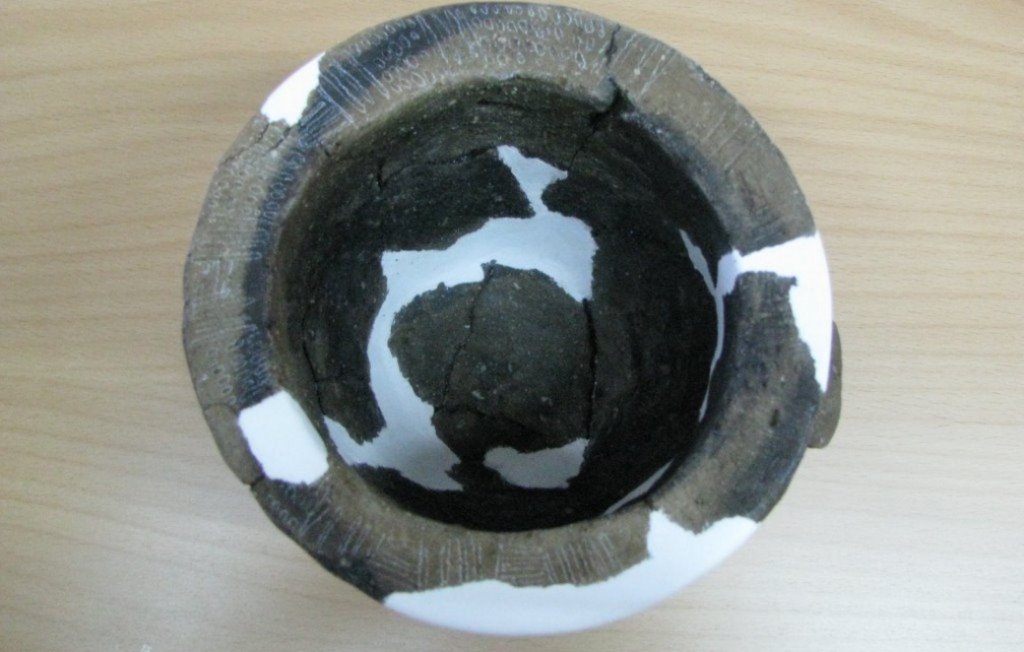
The archaeological remains of Povoado da Cimalha are some of the most important testimonials of the late Bronze Age in the Northwest of the Iberian Peninsula. Besides the recovery of artefacts and other remains, the most important result arising from archaeological intervention in the area may be proving that the sacred and the profane are not a dichotomy. We thus learn the importance of people as a force that legitimises places, creating memory and identity.
Place of Public Interest
Visits:
You may visit the interpretation centre and see the archaeological remains of the roman villa itself, as well as those from Povoado da Cimalha.
Location: Felgueiras